
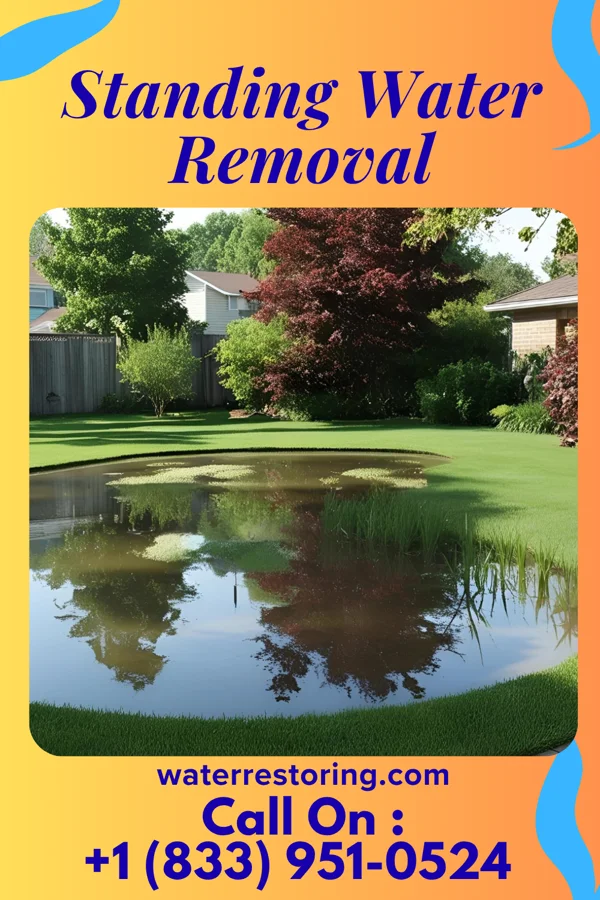
Standing Water Risks in Big Stone Gap East
Property owners across Big Stone Gap East call certified water damage restoration when In Big Stone Gap East, Virginia, water damage is often caused by heavy rainfall and flooding due to the region's proximity to the Appalachian Mountains and its rural terrain. The area is also prone to burst pipes and leaks from aging infrastructure, especially during the spring thaw and winter freeze cycles.. A close second is Secondary causes include septic system failures, which are common in rural areas, and groundwater seepage through basements. Additionally, the region's clay soil can expand and contract, leading to cracks that allow water to seep into homes..
Big Stone Gap East experiences a humid continental climate with significant seasonal variation. The area is particularly vulnerable to heavy rainfall and flash flooding, especially during the spring and early summer months, which can overwhelm local drainage systems.
Big Stone Gap East experiences a humid continental climate with significant seasonal variation. The area is particularly vulnerable to heavy rainfall and flash flooding, especially during the spring and early summer months, which can overwhelm local drainage systems. The dominant local driver is In Big Stone Gap East, Virginia, water damage is often caused by heavy rainfall and flooding due to the region's proximity to the Appalachian Mountains and its rural terrain. The area is also prone to burst pipes and leaks from aging infrastructure, especially during the spring thaw and winter freeze cycles., with Secondary causes include septic system failures, which are common in rural areas, and groundwater seepage through basements. Additionally, the region's clay soil can expand and contract, leading to cracks that allow water to seep into homes. showing up as the next most common cause. Damage builds in stages. Spread. Absorption. Microbial growth. Structural compromise. Every stage you pass through adds to the final bill.